Steam Visibility Guide: Get Wishlists & Sell More Games
· #game marketing #steam wishlist #indie game launch #game development #game assets
Learn how to structure your indie game marketing on Steam, attract thousands of wishlists, and secure a profitable launch with practical strategies.
Creating an incredible game is only half the job in the independent games industry. The other half, frequently neglected until it is too late, is making sure the right players discover and want to buy your project. Launching a title on Steam without a clear promotion strategy is like opening a store in the middle of the desert: no matter how spectacular your work is, almost nobody will walk by to see it.
The Fundamental Role of Wishlists in the Steam Algorithm
In the Steam ecosystem, the wishlist is much more than a button where players save titles to buy in the future. It is the primary metric used by Valve's algorithm to measure a game's commercial appeal even before its debut.
When a user adds your game to their wishlist, two vital things happen. First, they will receive an automatic email from Steam on the day the game launches and during future sales with significant discounts. Second, and more importantly, the total volume of wishlists signals to the platform whether your game deserves organic visibility.
The "Popular Upcoming" Threshold
For your game to appear in the coveted "Popular Upcoming" tab on the Steam front page, you will need to accumulate a significant amount of wishlists—usually between 7,000 and 10,000 before launch day. Being on this list guarantees massive exposure in the period immediately preceding launch, generating a snowball effect of visibility and sales.
Without this prior buildup, your game runs the risk of being buried under hundreds of daily releases, depending exclusively on the external traffic you manage to send to the store.
Steam Page Optimization: Your Main Storefront
Your Steam page functions like a sales page. There is no use spending months building an audience on social media if your storefront is not capable of converting readers into wishlists. Every element needs to be worked on strategically.
Visual Capsules and Teaser
Capsule art (the game's main banner in various sizes) is a player's first contact with your work. It must instantly communicate the genre, tone, and visual quality of your project. A generic or poorly designed capsule results in an extremely low click-through rate (CTR).
The main trailer also needs to get straight to the point. Forget long studio logos or cinematic black screens in the first seconds. Show real gameplay in the first 5 seconds to capture the visitor's immediate attention.
Screenshots and Animated GIFs
A set of screenshots should tell a story about gameplay diversity. Include boss battles, varied environments, interesting inventory menus, and memorable moments.
Additionally, use the long description field to insert short animated GIFs (2 to 4 seconds). High-quality GIFs showing fluid mechanics, impressive visual effects, and impactful animations help readers visualize the game experience without having to press play on the trailer.
Correct Tags
Tags on Steam define where your game will be recommended. If you tag incorrectly, the algorithm will show your project to fans of different genres, resulting in low conversions. Define the 5 main tags with extreme precision by comparing them with titles similar to yours (competing games of a similar scale).
Streamlining Game Design to Focus on Marketing
One of the biggest mistakes made by solo developers and small teams is delaying marketing because "the game is not visually ready yet." However, to create an appealing Steam page and publish teasers on social media from the earliest months, you need a consistent visual standard.
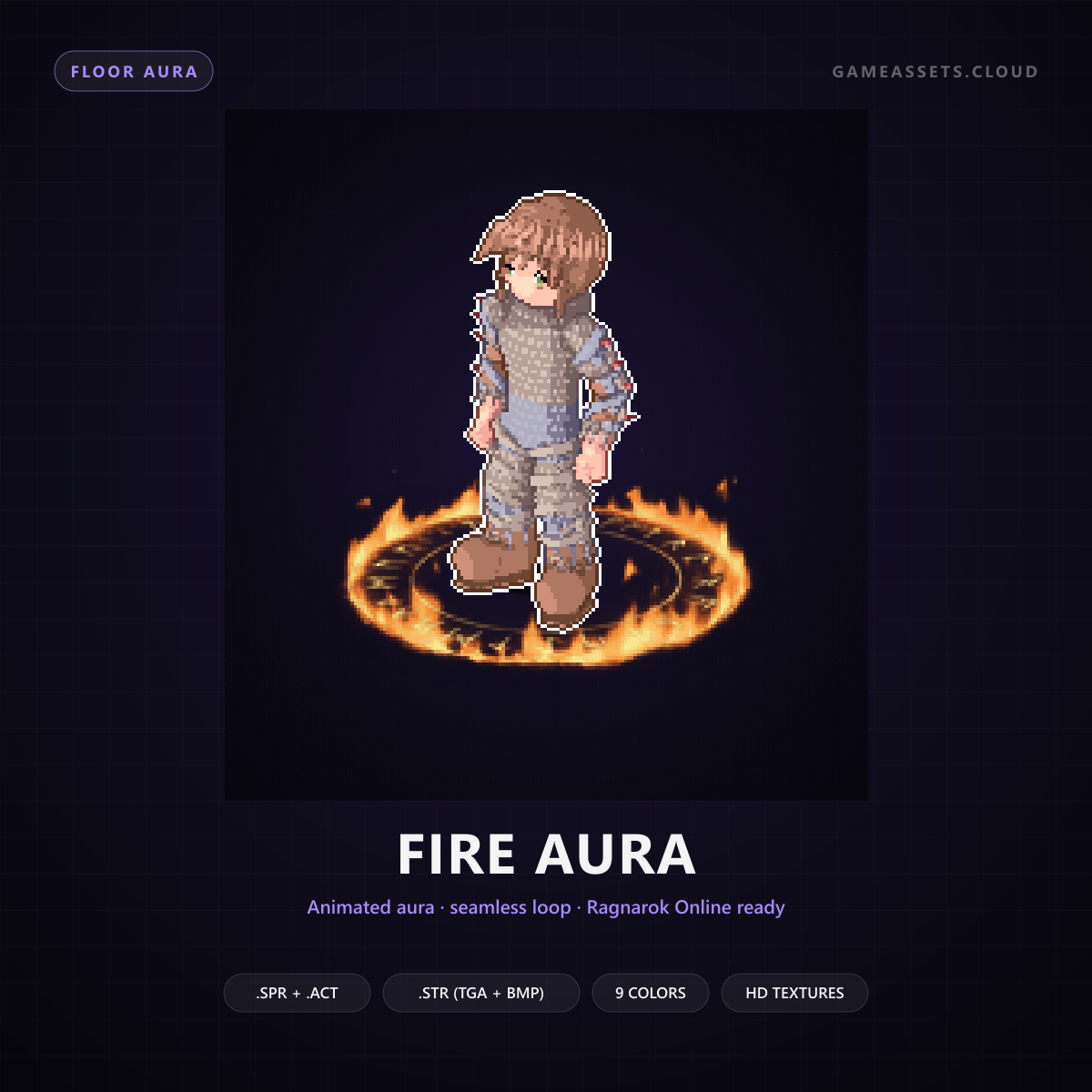
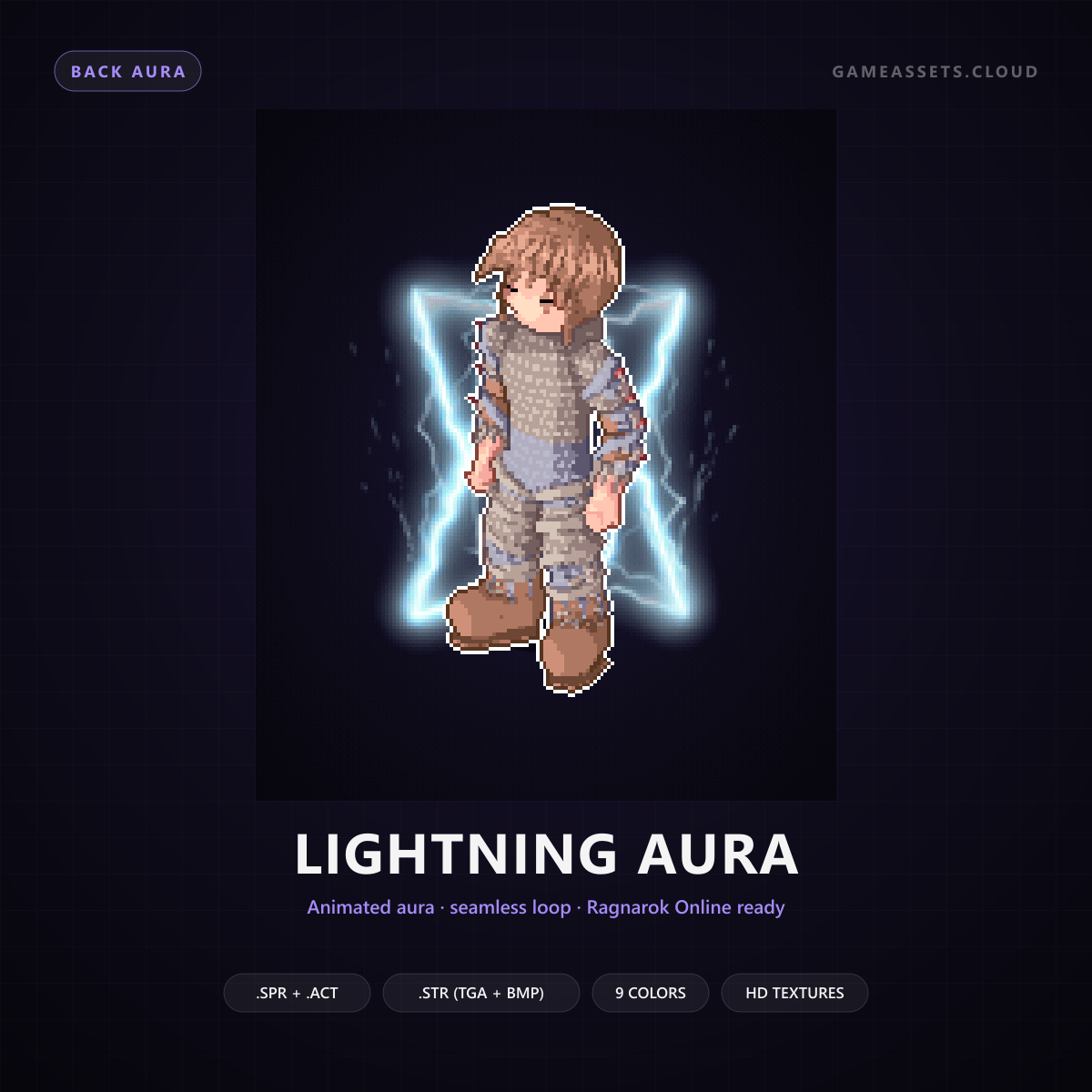
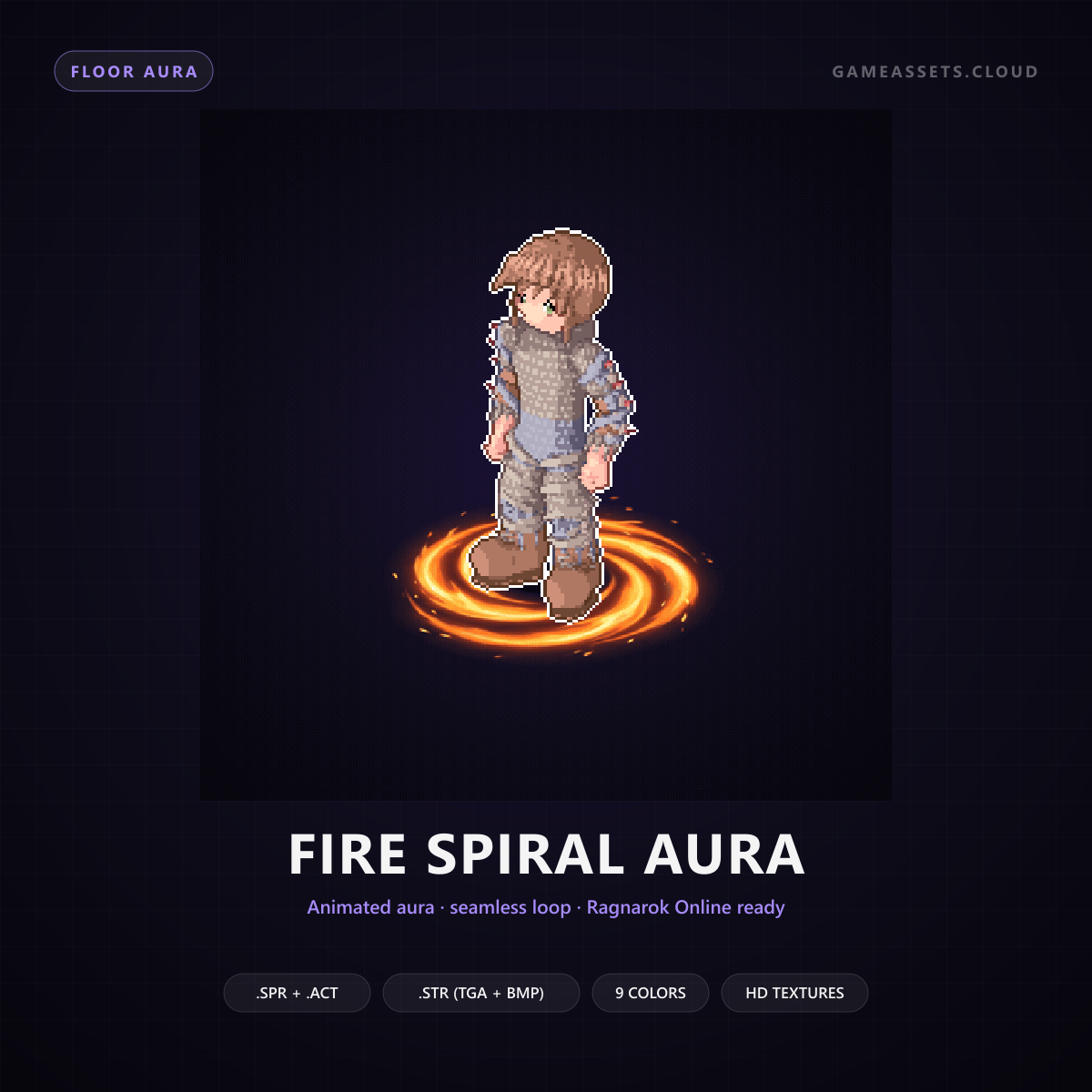
This is where production efficiency becomes a competitive differentiator. Using ready-made, editable assets—such as sprite packs, low-poly 3D models, modular tilesets, and pre-animated monsters—allows you to build functional prototypes with final-game quality in a fraction of the time.
By saving hundreds of hours on modeling, rigging, or illustrating secondary items and environments, you gain precious time to focus on core loop programming, gameplay polishing, and, above all, the marketing plan. Remember: the public judges the game by the visual impact of the trailers, not by whether you drew every brick in the environment from scratch.
Pre-Launch Communication Strategies
With the store page live and visual elements defined, active audience attraction work must be daily and consistent.
- Visual Devlogs: Share the creation process on networks like X (Twitter), Reddit (in subreddits like r/indiegames and r/gamedev), and TikTok. Focus on what makes your game fun or visually unique.
- Discord Community: Create a dedicated server from the start to engage the most excited fans. They will be the first to buy on day one and leave positive reviews.
- Playtests and Demos: Well-polished demos are one of the most effective tools to generate wishlists. Launch a functional demo before major events.
- Steam Next Fest: Steam's event is the biggest organic visibility opportunity for indies. Participate with a tested demo, host live streams on the page, and reach out to content creators during festival week.
D-Day: Executing the Launch Without Panic
As launch day approaches, make sure everything is aligned to convert accumulated interest into actual sales:
- Press Kit and Creator Keys: Send Steam keys to Twitch streamers and YouTubers who play titles similar to yours at least 2 to 3 weeks before the official date.
- Launch Discount: Offering a modest launch discount (between 10% and 15%) encourages users who have your game on their wishlist to make the purchase immediately.
- Active Communication: At the moment of release, email your contact list, post on all social networks, and update your Discord server.
After launch, monitor community forums to roll out quick hotfixes for critical bugs and demonstrate to early buyers that the project is receiving active support.
Building the success of an indie game on Steam is an ongoing process that combines smart development, excellent visual presentation, and constant marketing. By optimizing your workflow with quality assets and focusing on building your wishlist base from day one, you turn your project into a viable commercial product ready to sell.