How to Optimize Your Steam Page for a Successful Launch
· #game marketing #steam #wishlists #indie game dev #game launch
Learn how to optimize your Steam store page, build quality wishlists, and execute an effective launch strategy for your indie game studio.
Launching an indie game on Steam is a dream for many independent developers, but turning that project into a commercial success takes far more than just clean code and fun mechanics. With thousands of new titles arriving on the platform every year, visibility has become one of the industry's most valuable currencies. To stand out in today's ecosystem, you need to treat your store page as an active conversion tool right from the early months of development.
Anatomy of a High-Converting Steam Page
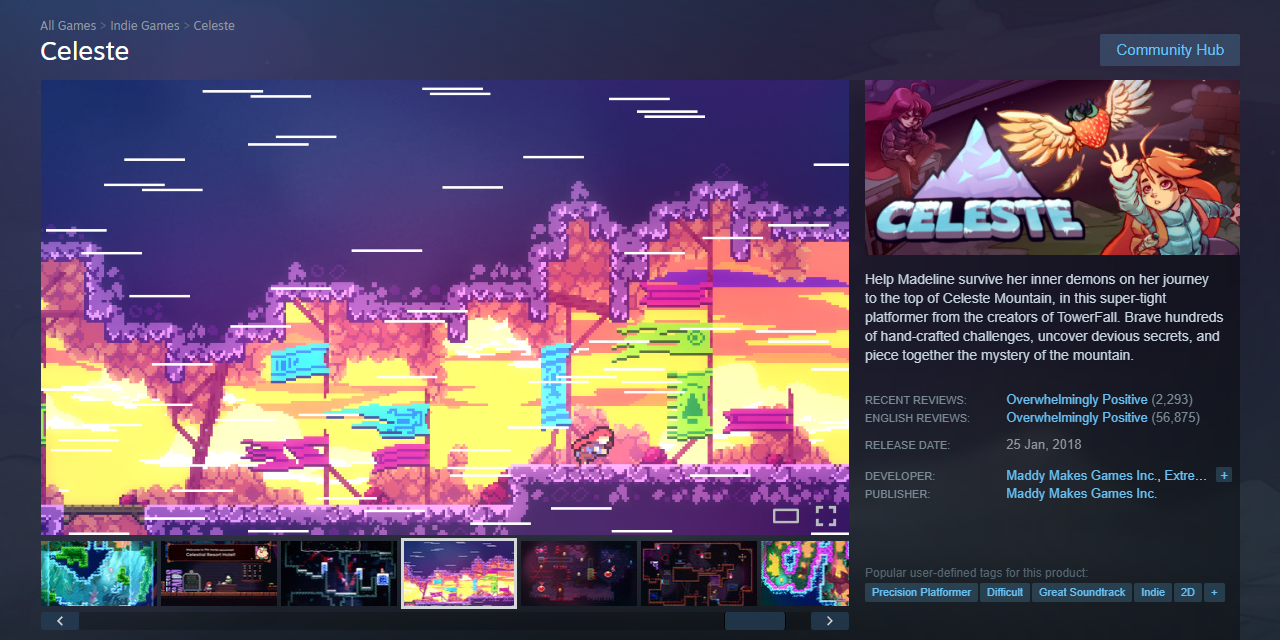
Your game's Steam store page is the focal point of your entire marketing campaign. It's where all traffic generated from social media, events, and live streams should land. Therefore, optimizing every visual and text element is crucial to ensure visitors decide to click that "Add to Wishlist" button.
Trailers and GIFs: Hooking Players in the First 5 Seconds
Your main store trailer needs to get straight to the point. Steam players typically decide whether to stay on your page within the first five seconds. Avoid long intros featuring studio logos or cinematic title cards at the start of the video. Dive right in by showing actual gameplay, core mechanics, and the game's visual style.
In the detailed description section, make full use of animated GIFs. Displaying special abilities, combat animations, or environmental interactions in short loops breaks up text and instantly showcases your game's polish and style.
Capsule Art (Header Image) and Visual Identity
Capsule art represents your game across the entire Steam store—in search results, recommendation lists, and sale banners. Professional capsule art requires a readable logo even at tiny sizes and a composition that clearly communicates the game's genre.
If your team doesn't have an artist dedicated to promotional illustration, investing in high-quality game assets to compose environments, concept art, or UI elements can save dozens of hours. This allows you to focus on refining your visual identity and delivering impactful marketing assets.
Short Description and Strategic Tags
The short description in the top right sidebar should summarize your unique selling point (USP) in no more than three engaging sentences. Clearly answer: what is the premise, and what makes the game stand out?
Steam tags are vital for the platform's recommendation algorithm. Select between 5 and 15 tags highly specific to your niche. Prioritize established subgenres (like "Roguelike", "Deckbuilder", "Pixel Art", or "Metroidvania") over generic terms like "Indie" or "Action". The algorithm uses these tags to recommend your title to players who purchase similar games.
Practical Strategies to Build Qualified Wishlists
Wishlists act as the primary metric of commercial demand on Steam. Building a high volume of wishlists prior to launch signals to the algorithm that your game has sales potential, drastically increasing your chances of landing organic feature spots during release week.
Free Demos and Steam Next Fest
Releasing a polished, playable demo is one of the best ways to attract organic players. A great demo should offer 15 to 30 minutes of engaging gameplay, ending on a high note that leaves players wanting more.
Participating in Steam Next Fest with a ready demo is crucial. During this festival, Steam actively promotes upcoming games, drawing millions of players, journalists, and content creators. Include a prominent call-to-action (CTA) button in your demo's main menu prompting players to add the game to their wishlist.
Localization and Key Languages
Translating your store page and game UI into multiple languages significantly expands your reach. Beyond English, consider translating your Steam page into languages with strong market presence, such as Simplified Chinese, Spanish, Brazilian Portuguese, German, and Russian. Localizing store text alone allows you to capture traffic from regions beginner developers often overlook.
Saving Development Time with Pre-made Assets
One of the biggest hurdles for indie developers is time. Creating every single art asset from scratch—item icons, secondary 3D models, visual effects (VFX), and tilesets—can delay your release by months or even years.
Integrating ready-made 2D and 3D asset packs into your workflow speeds up environment design and prototyping. This saved time lets you launch your Steam page and demo much earlier, accumulating wishlists while you continue refining gameplay and working on marketing.
Launch Week Action Plan
The weeks leading up to launch day require a structured plan to convert built-up interest into immediate sales.
Content Creators and Press Outreach
About three to four weeks before launch, prepare a press kit containing high-resolution screenshots, transparent logos, downloadable trailers, and a fact sheet/executive summary of the game.
Reach out directly to Twitch and YouTube creators who regularly cover your genre. Send early review keys (Steam Keys) along with a personalized, concise pitch explaining why their audience will enjoy your game.
The Wishlist Threshold and Steam's Algorithm
Historically, reaching a threshold of 7,000 to 10,000 active wishlists before launch significantly increases your chances of appearing on the "Popular Upcoming" list.
Upon launch, Steam automatically sends an email notification to everyone who wishlisted your title. This initial surge of buyers within the first 24 hours propels the game onto the "New & Trending" tab, multiplying your visibility organically.
Post-Launch: Maintaining Engagement and Momentum
The marketing work doesn't end when you hit the publish button. The first few weeks post-launch define your game's long-term reputation on the platform.
- Bug Tracking and Quick Patches: Monitor Steam community discussions and user reviews closely. Releasing hotfixes and patches quickly demonstrates professionalism and helps keep user reviews in the "Very Positive" range.
- Transparent Communication via Event Posts: Use Steam's event system to publish news, patch notes, and future roadmaps. Players appreciate developers who stay active and committed to post-launch improvements.
- Participating in Seasonal Sales: Respecting Valve's mandatory 30-day cooldown period post-launch, participate in Steam seasonal and themed sales to convert price-sensitive buyers.
Conclusion
Achieving strong results on Steam requires a constant balance between making a fun game and executing a strategic marketing plan. From building a visually appealing store page to consistently building wishlists and engaging with the community, every detail counts. By optimizing your development time—using quality game assets to speed up art production—you preserve the energy and resources needed to focus on marketing and deliver a successful indie launch.